
Ontario Bus Driver Test 2026: Licence Practice Guide
Becoming a certified bus driver in Ontario ensures that only qualified individuals are entrusted with transporting passengers safely. This process includes a comprehensive assessment that evaluates the candidate’s knowledge and skills, ensuring they are ready for this critical role.
↓ ↓ ↓ TOPIC BY TOPIC QUESTIONS ↓ ↓ ↓
Bus Licence, Inspetion and Road Check

The criteria and prerequisites for obtaining a class B or E license, the steps to acquire it, and the procedure for conducting the inspection and daily road check are meticulously outlined in the training schedule, allowing candidates to systematically prepare for all necessary components of the certification process.
Driving a bus

Defensive driving basics, steering techniques for forward, reverse, and turning, understanding “off-track” and proper vehicle positioning, sharing the road with small vehicles, farm machinery, cyclists, and pedestrians, right-of-way principles and situations for yielding, and hours of service rules.
Safe and responsible driving
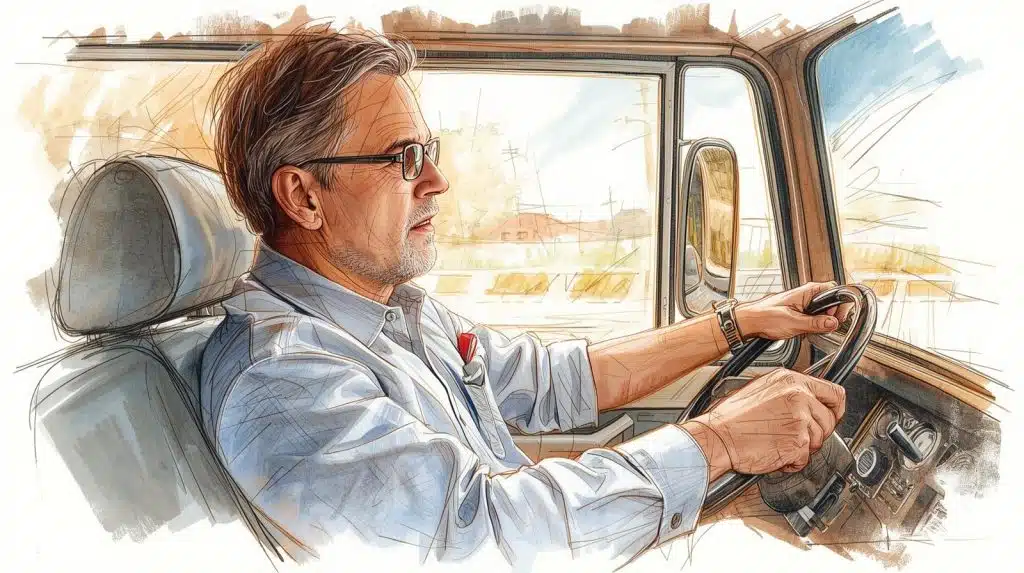
Identifying and managing reduced-visibility situations; understanding how weather conditions such as rain, snow, and ice affect vehicle control; knowing how to handle skids or heavy snow and black ice; and recognizing how to share the road with snow removal vehicles.
Traffic signs and lights
The distinction between regulatory, warning, temporary condition, and information/direction signs; the meanings of different traffic light colors and symbols; the indications of pedestrian signal symbols; and the use of pavement markings to control traffic.
Operating a school bus
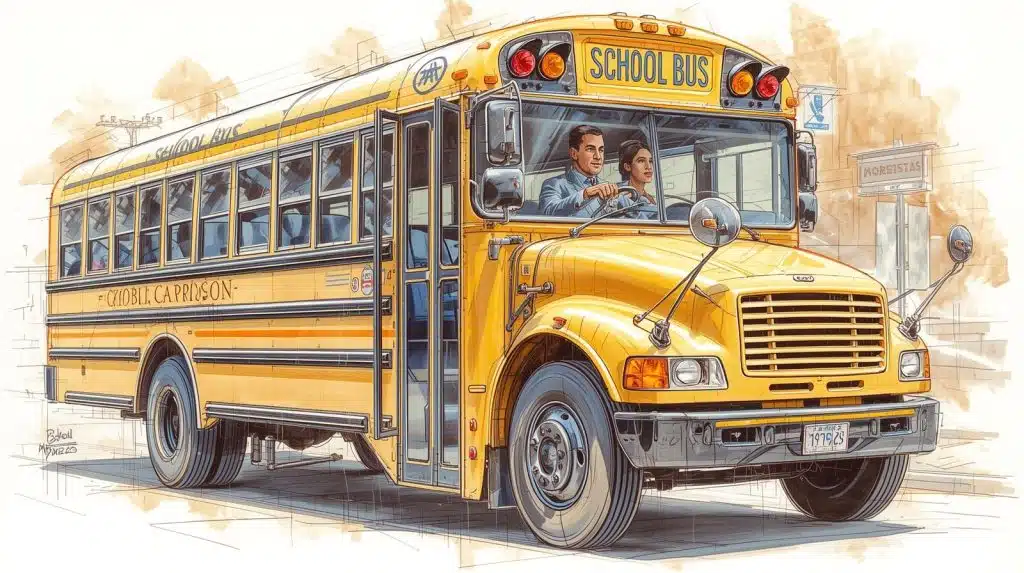
How to load and unload passengers; the stopping-for-school-buses law and who it applies to; special precautions for school buses; emergency procedures and evacuation processes; school bus daily care and maintenance; and planning and designing a school bus route.
Keeping your licence
Your duty to keep a valid driver’s licence, reasons for cancellation or suspension, effects of alcohol and drugs on driving, and the consequences of poor driving habits.
Other ways to lose your licence
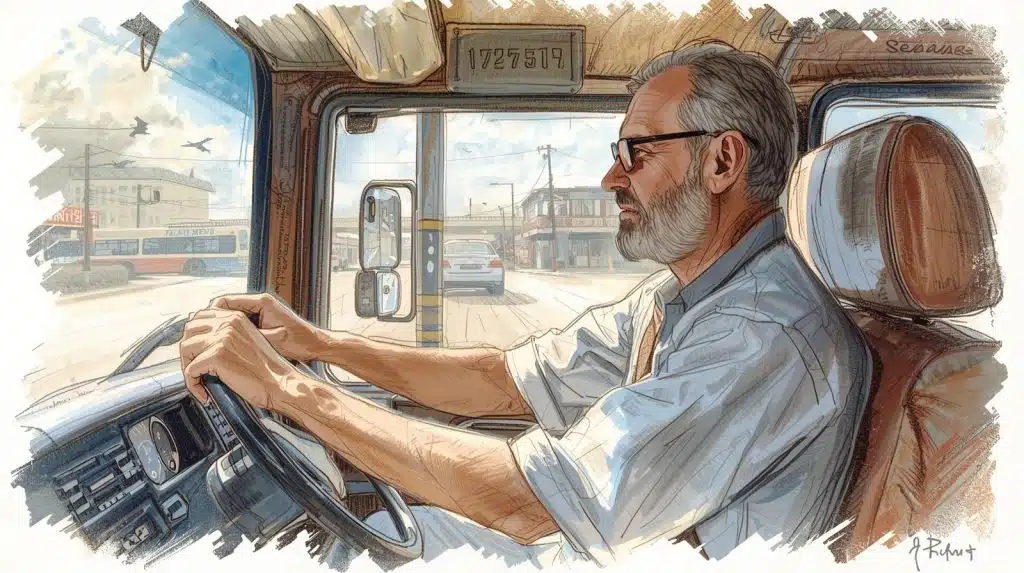
Your responsibility is to maintain a valid driver’s license, understand the reasons for potential cancellation or suspension, understand how alcohol and drugs impair driving, and understand the consequences of poor driving habits.
Additional information
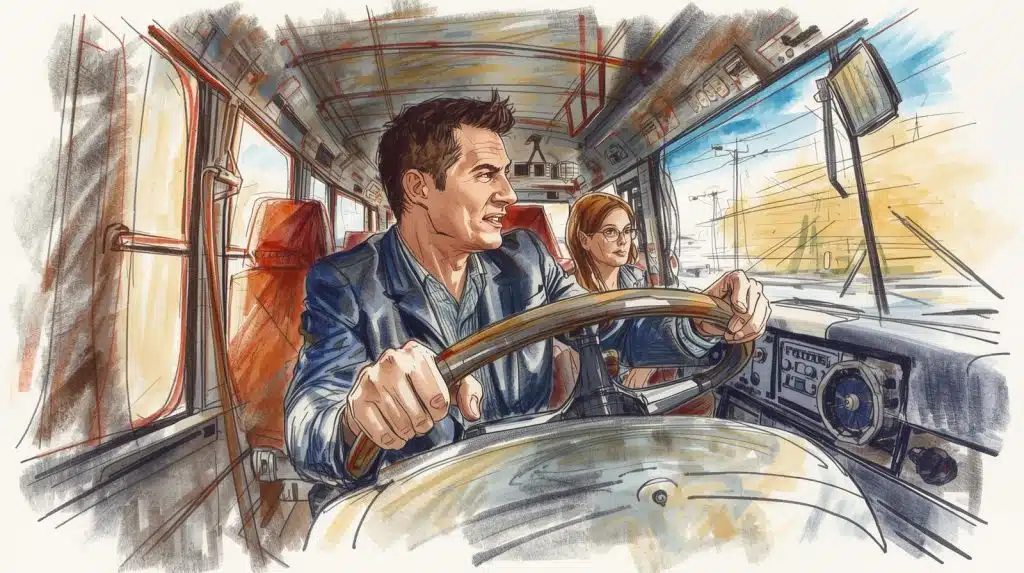
High-Occupancy Vehicle (HOV) lanes are designated lanes reserved for vehicles with 2 or more occupants. They are designed to promote carpooling and reduce traffic congestion. Efficient driving techniques can further reduce fuel consumption when using these lanes.
Where to Write an Ontario Bus Driver Test? Find a Driver Testing Location Near You:
Please enter your city or postal code below:
How to Prepare for the Day of the Driving Test
It would be best if you were well prepared before the test day to get your driver’s license in Ontario, Canada. Completing multiple practice exams is a key part of preparation. Many people fail to pass this test not because they are stupid but due to a lack of proper preparation. Taking an AZ practice test comes with the following benefits:
Thorough preparation and completing all recommended practice exams will help you succeed on the real exam.
THE THEORY BEHIND THE ONTARIO BUS DRIVERS PRACTICE TEST

The Ontario bus driver practice and theory test for coaches and passenger-carrying vehicles is a mock test. This practice test simulates the actual exam experience, helping you prepare for both the knowledge and practical components of the Ontario bus driver test. The test aims to gauge your readiness for the theory questions you can expect in the driving test. They are practical questions that test your knowledge of road signs and road rules. Using study guides can reinforce your preparation and build confidence.
The test has 50 questions, and the pass score is 43 correct answers. You should finish the test within 57 minutes. On the actual day of the test, the bus and coach examination is out of 100 questions, and the passing score is 85, whereas you should complete the test within 115 minutes.
You can take the test as often as you like to make sure you get most things right when the day of the actual bus and PVC test comes.
The purpose of the Ontario bus driver license practice test is to ensure you understand the information in The Official MTO Bus Handbook. An instructor can offer guidance through difficult sections of the handbook.
Check out this resource for Practicing for the Ontario bus driver knowledge test.
WHAT THE ONTARIO BUS DRIVING TEST WILL CONSIST OF
The Ontario bus driver test consists of two examinations that will contribute to your overall evaluation. The first test is entirely theoretical and written. It will examine your visual awareness, road signs, and general road rules. The second test is practical, and you will have to take the bus for an evaluated road test.
In Ontario, bus drivers must have a Class C licence if they drive a vehicle designed to seat more than 24 persons (a Class F licence for up to 24 persons).
In Ontario, a Class B licence or a Class E licence is needed for anyone who operates a school bus with passengers. To earn this licence, you need to pass the Ontario Bus Driver knowledge test.
Class B licence
With this license, you can drive a school bus that seats more than 24 passengers.
Class C licence
With this license, you can drive a regular, non-school bus with more than 24 seats. Following comprehensive safety regulations is crucial, as it ensures a smooth, secure journey for everyone aboard.
Class E licence
With this license, you can drive a school bus that seats up to 24 passengers. Understanding and implementing safety regulations designed specifically for school transportation is part of your essential duties.
Class F licence
With this license, you can drive a regular, non-school bus with seating for up to 24 passengers and an ambulance. It is important that drivers hold a valid driver's license and meet all necessary criteria to ensure a high standard of safety while operating these vehicles.
FAQs
In Ontario, a bus license is a Class B or C Driver’s Licence. Depending on the type of vehicle you intend to drive, you may require an additional endorsement on your licence.
To obtain a Class B or C Driver’s Licence in Ontario, you must complete an application process with the Ministry of Transportation. The application requires providing personal information, such as your name and address, and a valid form of identification, such as a passport or driver’s licence.
To obtain a Class B or C Driver’s Licence in Ontario, you must be 18 years old and have held a valid Class G driver’s licence for at least two years. You must also pass a vision test, knowledge tests for the Class B or C licence and the relevant endorsements, and hold a valid medical certificate. Additionally, you must complete a police background check and have a clean driving record for the past five years.
A BZ license in Ontario requires an additional endorsement on your Class B or C Driver’s Licence. The fee for the additional endorsement is $59.30, plus any applicable taxes. The fee must be paid when you submit your application for the additional endorsement to the Ministry of Transportation.
The amount of money a school bus driver makes in Ontario will depend on the size and type of vehicle and their experience. On average, a full-time school bus driver in Ontario makes between $18 and $21 an hour. This can vary depending on the region they drive in and may include bonuses, benefits, and other compensation.
If you are unable to complete the air brake learning module online, you can visit a DriveTest Centre to complete the module in person.