











Getting your Ontario driver’s license starts with one critical step: passing the G1 knowledge test. These free Ontario G1 practice tests for 2026 are designed to help you understand what to expect and pass on your first attempt.
Are you planning to take the Ontario G1 license test? Ensure you’re ready for the official test by preparing with our six helpful G1 practice tests.
Our online G1 practice test simulates the official Ontario G1 written test format with 40 questions—20 covering road signs and 20 focused on rules of the road. You can choose from six different practice tests designed to match your skill level and learning goals:
4 Standard Practice Sets – Progressive difficulty from beginner to challenger
1 Full Exam Simulator – Mirrors the real G1 test experience
1 Road Signs Marathon – 60+ sign questions for focused memorization
Key benefits of these G1 practice tests:
Quick access with no registration required
Realistic format based on the official MTO driver’s handbook
Mobile-friendly—practice on your phone, tablet, or computer
Free to start with unlimited attempts
No time limit on practice (unless you choose the timed simulator)
Instant answers and explanations after each question
 How the Ontario G1 Knowledge Test Works in 2026
The official Ontario G1 knowledge test is your gateway to obtaining a learner’s permit. Administered by the Ministry of Transportation of Ontario (MTO) at DriveTest centres across the province, this exam evaluates your understanding of traffic laws, road signs, and safe driving practices. Note that specific details may change, so always verify current requirements on the official Ontario government website before proceeding to your test.
The real G1 test consists of 40 multiple-choice questions divided into two equal sections: 20 questions on Ontario road signs and 20 questions on rules of the road and safe driving practices. Here’s what you need to know:
Format: 40 multiple-choice questions total (20 signs + 20 rules)
Passing score: At least 16/20 correct in each section—not just 32/40 total
Location: Any DriveTest centre in Ontario (no appointment needed for the written test)
Languages: Available in 27+ languages including English, French, Arabic, and Chinese
Time limit: There is no official time limit, allowing you to read each question carefully
Results: You receive your score immediately after completing the test
The section-based scoring is important to understand. You cannot compensate for a weak performance on road signs with a strong score on rules of the road—both sections must meet the 80% threshold independently.
Our Six Ontario G1 Practice Tests
We’ve created six structured practice tests designed to mirror the official exam and build your confidence step by step. Whether you’re a first-time learner or need a quick refresher, there’s a test suited to your preparation stage.
Practice Test | Questions | Focus Area | Difficulty | Ideal For |
|---|---|---|---|---|
Practice Test 1 and 2 | 60 | Road Signs Basics | Easy | Beginners learning sign recognition |
Practice Test 3 to 6 | 120 | Rules of the Road | Medium | Review of common signs and rules |
All questions are based on the latest Ontario MTO Driver’s Handbook (2025–2026 edition) but have been reworded and expanded to give you broader practice. Each test shows correct answers and short explanations after every question, helping you learn from mistakes in real time.
Why Use a G1 Practice Test Instead of Studying Alone
Reading the Ontario driver’s handbook is essential, but studying alone from the book often isn’t enough. The official MTO sample contains only about 8 practice questions—nowhere near the variety you’ll encounter on the actual 40-question exam.
Interactive G1 practice tests offer advantages that passive reading simply cannot match:
Recognize typical wording – The real G1 test uses specific phrasing; practice tests help you become familiar with how questions are structured
Learn to eliminate wrong answers – Multiple-choice success often depends on identifying what’s clearly incorrect before selecting the right answer
Spot subtle differences – Many road signs and rules look similar; repeated practice trains your eye to catch key distinctions
Reduce exam anxiety – Walking into the DriveTest centre having already “passed” multiple practice tests builds genuine confidence
Reinforce memory – Active recall through questions cements knowledge far better than re-reading the same material
Focus on Ontario-specific content – Questions cover provincial speed limits, intersection rules, school bus laws, winter driving conditions, and alcohol impairment regulations
Track your progress: Keep a simple log of your scores from each of the six G1 practice tests. Note the date, your score, and which topics gave you trouble. Watching your improvement over several days is both motivating and helps you identify weak areas that need extra review.
Step‑by‑Step: How to Prepare for the Ontario G1 Test
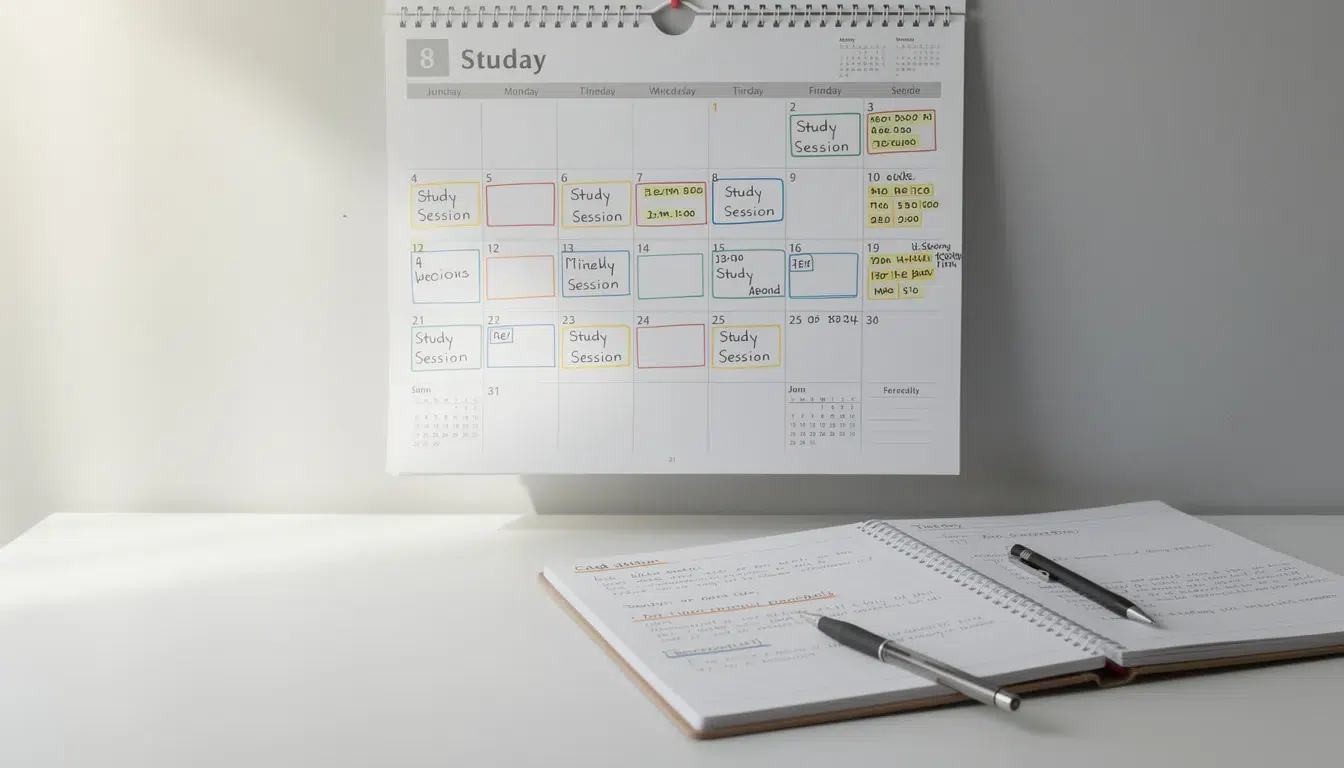
A clear study plan turns overwhelming material into manageable daily tasks. Here’s a 7-day preparation schedule to take you from first page to test day with confidence:
Day | Activity | Focus |
|---|---|---|
Day 1–2 | Read the Official Ontario MTO Driver’s Handbook | Basic rules, traffic lights, common signs |
Day 3 | Complete Practice Test 1 and Practice Test 2 | Review every incorrect answer; re-read those handbook sections |
Day 4 | Take Practice Test 3 (mixed 40 questions) | Note your score; identify if signs or rules need more work |
Day 5 | Focused practice based on weaknesses | Road Signs Marathon if signs are weak; repeat rules questions if needed |
Day 6 | Attempt Practice Test 4 (challenger) | Handle trickier scenarios involving speed, night driving, and winter conditions |
Day 7 | Take the Full Exam Simulator | Complete in one sitting to simulate the real G1 test environment |
Topics requiring extra attention:
Right-of-way rules at four-way stops
Roundabout navigation
School zone regulations and speed reductions
Speed limits in various zones (residential, highway, construction)
Passing stopped school buses
If you score below 80% on any practice test, repeat it until you consistently hit 90% or higher before booking your real test. Short daily study sessions of 20–30 minutes are far more effective than cramming everything the night before.
What You Need to Bring to Your G1 Test Appointment
Correct identification is mandatory to write the G1 test in Ontario. The MTO has specific requirements, and missing documents will prevent you from taking the exam that day.
Accepted identification typically includes proof of:
Legal name
Date of birth
Signature
Examples: Canadian passport, Ontario photo card, birth certificate with secondary ID
Always confirm the latest accepted documents on the Ontario government website, as requirements may change.
Additional requirements and tips:
You must be at least 16 years old on the day you write the G1 test
The test fee is approximately $158.25 (confirm current G1 fees on ServiceOntario or DriveTest website before your visit)
If you fail, the retest fee is $16.00
Arrive 60–90 minutes before the DriveTest centre closes to allow time for registration, fee payment, and completing the test
Check if your chosen location has high traffic; going early in the day or mid-week often means shorter wait times
No appointment is needed for the written knowledge test—walk-ins are accepted
Everything You Need to Know About G1 Practice Tests
Here’s a quick FAQ covering the most common questions about the Ontario G1 practice test and the real exam:
How many questions are on the real G1 test? The official test has 40 multiple-choice questions: 20 on road signs and 20 on rules of the road. Our practice tests use the same structure.
What score do I need to pass? You need at least 16/20 correct in each section (80%). Our practice tests use this same standard as a guideline.
Can I take practice tests multiple times? Yes. All free practice tests on this page can be taken as many times as you want with no penalty and no account or registration required.
Are these official MTO questions? No. Practice questions are modeled on content from the MTO Driver’s Handbook but are not official ministry questions. They are designed to prepare you for the types of scenarios and wording you’ll encounter.
What devices can I use? Online G1 practice tests work on any phone, tablet, or computer. A stable internet connection ensures the best experience.
How fast will I get my results on the real test? Results are given immediately at the DriveTest centre. If you fail, you can retake the test after paying the $16 retest fee—verification successful waiting periods are minimal, and you can often return the next day.
What’s the best preparation strategy? Combine thorough handbook study with repeated practice tests. This dual approach covers both understanding concepts and recognizing how questions are asked.
Tips to Ace Your G1 Test at DriveTest
Mental preparation matters just as much as knowing the material. Here’s how to set yourself up for a successful test day:
Before the exam:
Get a full night’s sleep—fatigue leads to careless mistakes
Eat something light beforehand to maintain focus
Arrive early with all required identification and fee payment ready
Use the restroom before starting; you cannot pause the test
During the exam:
Read every question and all four answer options carefully before choosing
Watch for absolute words like “always,” “never,” or “only”—these often signal the correct or incorrect answer
If stuck on a question, skip it temporarily and return later
Don’t change answers repeatedly unless you’re certain you misread the question
Remember there is no time limit, so focus on accuracy over speed
Stay calm; second-guessing every answer increases errors
High-priority topics the MTO emphasizes:
Distracted driving laws (phone use, eating, etc.)
Impaired driving consequences and blood alcohol limits
Seatbelt requirements for all occupants
Child safety seat regulations
Sharing the road with cyclists and pedestrians
Complete all six practice tests on this page at least once before your scheduled G1 date. With the handbook plus these practice resources, you can walk into the DriveTest centre with the confidence to pass the Ontario G1 test on your first try.
Read and Use the Official Ontario MTO Driver’s Handbook
While practice tests are powerful preparation tools, the Ontario MTO Driver’s Handbook remains the primary official source for all G1 exam content. Every question on the real test comes from material covered in this book.
The handbook is available:
Online as a free PDF or web version on the Ontario government website
As a printed copy from retailers or ServiceOntario locations
Crucial sections to study thoroughly:
Road signs and their meanings
Traffic signals and pavement markings
Safe driving practices and defensive driving
Penalties, suspensions, and demerit points
Sharing the road with cyclists, pedestrians, and large vehicles
Winter driving and adverse conditions
Keep the handbook nearby while doing practice tests. When you get a question wrong, immediately look up that topic in the book. This cross-referencing method turns mistakes into learning opportunities and dramatically improves retention.
Complete All Six G1 Practice Tests for Maximum Confidence
Completing the entire series of six practice tests gives you broad coverage of the question types that may appear on the real G1 exam. Each test targets different knowledge areas and difficulty levels, creating a comprehensive preparation system.
Recommended approach:
Begin with the easier tests (Practice Test 1 and 2) to build foundational knowledge
Progress to the mixed and challenger tests as your confidence grows
Finish with the Full Exam Simulator to experience real test conditions
Track your scores from each test date to measure improvement over time
Repeat your weakest test type (signs or rules) until you consistently score above 90%
Mastering the Road Signs Marathon will help with quick recognition of Ontario signs—stop, yield, railway crossing, school zone, construction, and lane-use markers all become second nature with enough practice.
Consistent practice over several days is more effective than doing all tests in one sitting. Your brain needs time to consolidate new information, so spread your preparation across at least a week for the best results.
With the official MTO Driver’s Handbook and these six G1 practice tests, you have everything you need to walk into the DriveTest centre with confidence. The freedom of an Ontario driver’s license is within reach—start with Practice Test 1 today and take the first step toward life on the road.