
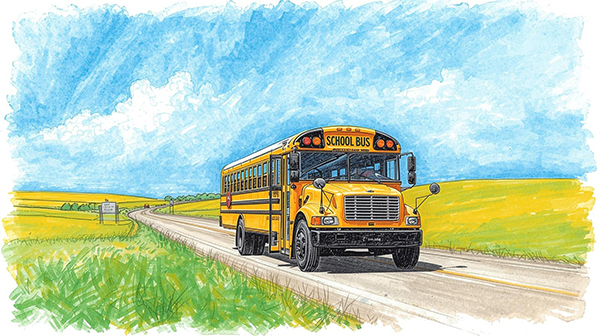
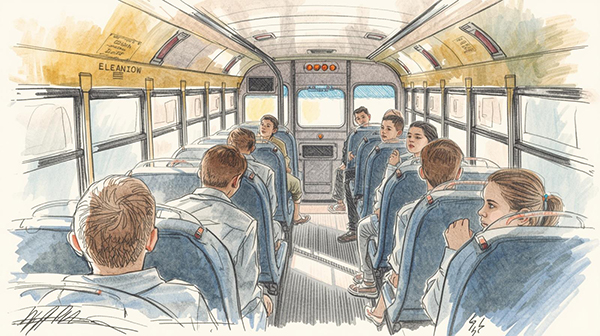
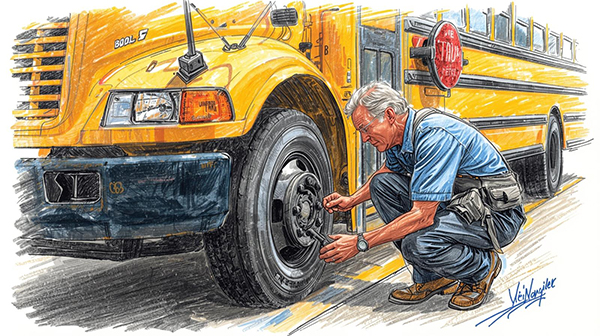
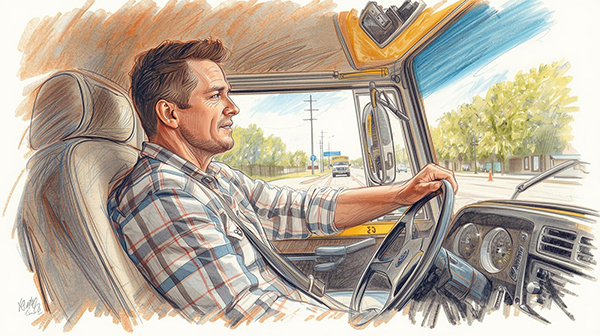
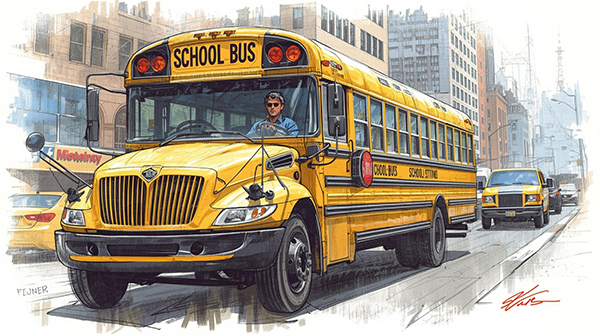
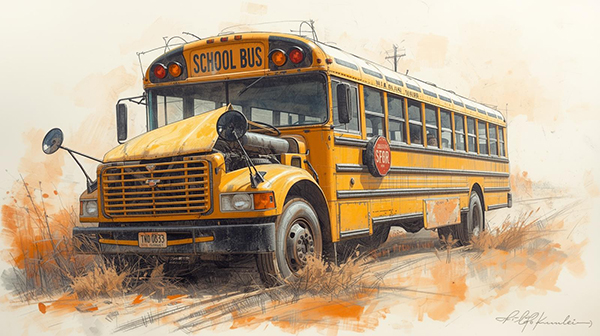
If you’re preparing for a career as a school bus driver in Manitoba, this page covers everything you need to know about the Manitoba school bus driver practice test, the Class 2 commercial licence knowledge test, and the written school bus knowledge test for 2024–2025.
Our practice tests focus specifically on the MPI school bus knowledge test and the Class 2 commercial licence knowledge test, including air brake content where applicable. Whether you’re starting from scratch or brushing up before your test day, you’ll find the resources you need here.
Quick Overview: Manitoba School Bus Driver Practice Test
This page is designed for the Manitoba Class 2 (bus) commercial licence and the written school bus knowledge test in 2024–2025
Our practice tests cover the MPI school bus knowledge test and the Class 2 commercial licence knowledge test, including air brake material, where applicable
The three main parts of the licensing process are:
Class 2 knowledge test
Written school bus knowledge test
Class 2 road test (plus air brake endorsement if required)
All questions are based on the current Manitoba Professional Driver’s Handbook and School Bus Driver’s Handbook—not generic Canadian content
Practice exams mirror the real testing format so you can prepare with confidence
Manitoba Class 2 (Bus) Licence & School Bus Test Requirements
To safely operate a yellow school bus in Manitoba, you typically need a Class 2 licence plus successful completion of the written school bus knowledge test administered by Manitoba Public Insurance (MPI). This combination ensures you have both the commercial driving skills and the student-safety knowledge required to transport pupils.
Eligibility requirements include:
Minimum age of 18 years
Valid full Class 5F driver’s licence (or at minimum Class 5A Authorized Instruction or 5I Intermediate Stage)
Acceptable driving record free of serious violations
Medical fitness as confirmed by a Medical Examination Report and vision screening per MPI and the Highway Traffic Act
The medical examination report is valid for six months from approval
Understanding the two written tests:
Test | Purpose | Primary Study Material |
|---|---|---|
Class 2 Knowledge Test | General commercial bus operation | Professional Driver’s Handbook, Manitoba Driver’s Handbook |
Written School Bus Knowledge Test | Student safety and school-specific regulations | Manitoba School Bus Driver’s Handbook |
Both tests are delivered by MPI at Service Centres across Manitoba. Most locations use computer-based testing, though some rural locations may offer paper exams. The tests are closed-book, meaning you cannot reference handbooks during the written exam.
Note that many school buses use air brakes, which means you may also need to pass the Air Brake knowledge test and practical air brake demonstration before you can complete your road test.
Manitoba Class 2 Knowledge Test: Format & Topics
The Class 2 knowledge test is the general commercial bus written exam you must pass before an Authorized Instruction is issued on your driver’s licence. This is your first step toward getting behind the wheel of a school bus for supervised practice.
Test format details:
Timed 30-minute test
Closed book—no reference materials allowed
Multiple-choice questions
Based on the Professional Driver’s Handbook and relevant MPI publications
Typically offered in English and French (note: unlike Class 1 and Air Brake tests, Class 2 is usually not offered in Punjabi)
A passing score of at least 80% required
Key topics covered:
Rules of the road for commercial vehicles
Sharing the road with vulnerable users and emergency vehicles
Bus size and weight limits
Turns and lane positioning for large vehicles
Following the distances appropriate for buses
Professional driver responsibilities and traffic laws
Speed limits and road signs interpretation
Right-of-way rules in various traffic situations
Our bus driver practice test section mirrors this format with 30–40 mixed questions in random order, instant feedback on each answer, and scoring that helps you identify areas needing further review. This approach lets you get comfortable with the real timing and structure before your official test.
Written School Bus Knowledge Test (Manitoba)
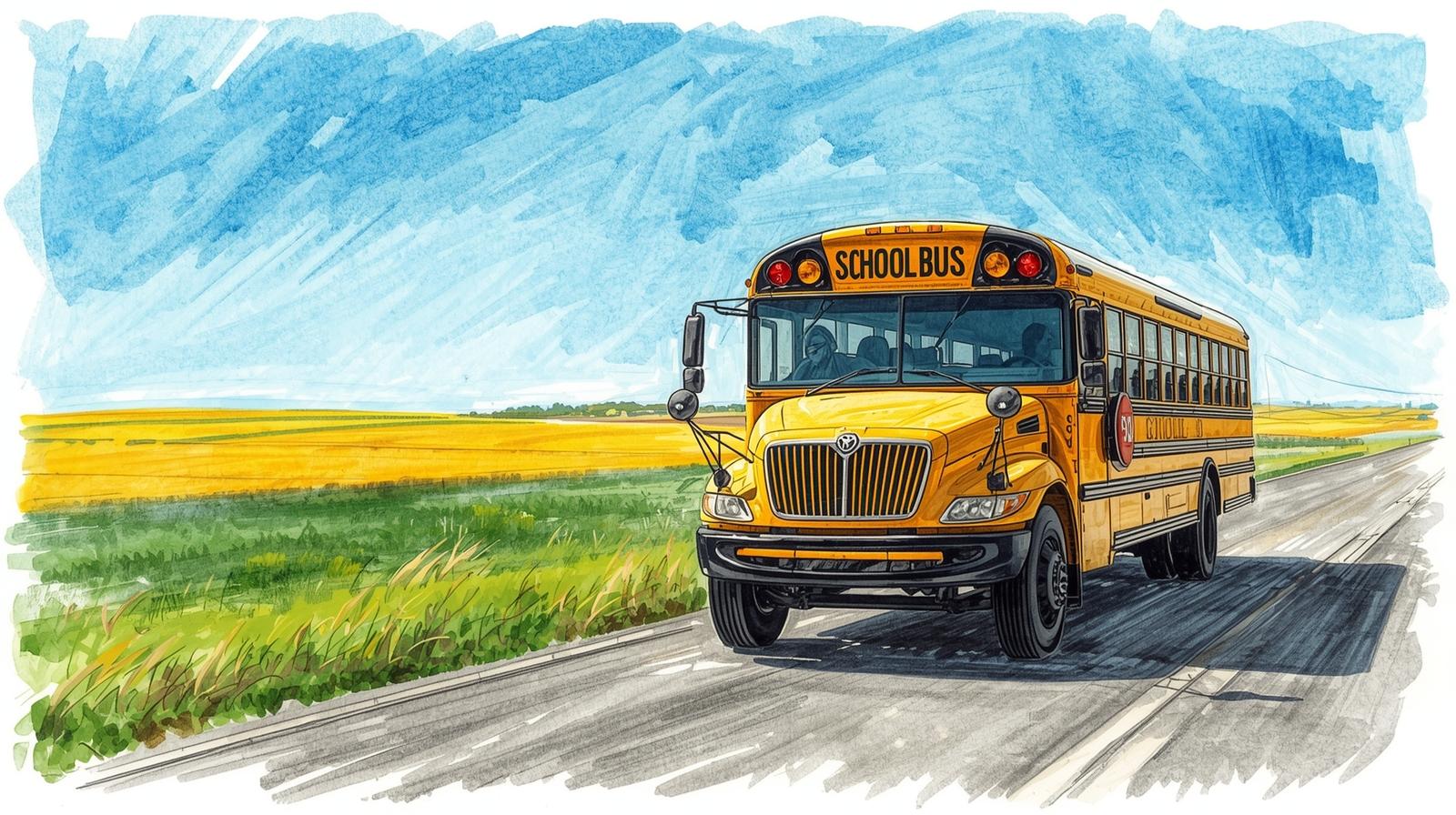
In addition to the Class 2 test, a dedicated written school bus knowledge test focuses on student safety and school-specific regulations. This separate exam ensures that certified school bus drivers understand the unique responsibilities of transporting children.
The school bus driver exam is based primarily on the Manitoba School Bus Driver’s Handbook and guidelines from Manitoba Education and Early Childhood Learning. It draws on regulations under the Public Schools Act and the School Buses Regulation 465/88R.
Common topic areas include:
Loading and unloading procedures
Use of flashing lights (amber and red) and the stop arm
Railway crossings rules specific to school buses
Danger zones around the bus
Legal obligations toward pupils
Emergency exits and evacuation procedures
Disciplinary authority and student management
Safety regulations for passenger transportation
The test is closed-book and taken at an MPI Service Centre, and you must pass (typically 80% or higher) before you can operate a school bus with students. You have only two attempts to pass, so proper preparation with practice tests is essential.
Our practice tests dedicate a separate question bank specifically to school bus items rather than generic commercial bus material, giving you targeted preparation for this critical exam.
Air Brake Endorsement for Manitoba School Bus Drivers
Many full-size Manitoba school buses are equipped with air brakes, requiring a separate air brake endorsement in addition to your Class 2 licence. Without this endorsement, you cannot legally operate vehicles with air brake systems.
Air brake knowledge test details:
Approximately 25–30 multiple-choice questions
30-minute time limit
Focus on components, system operation, and safety checks
Closed-book format
Passing score required before practical testing
Key study areas for the endorsement:
Component | What You Need to Know |
|---|---|
Compressor and governor | Function, normal operation, and failure signs |
Air tanks and drains | Purpose, drainage procedures, and moisture control |
Warning devices | Low-air-pressure warnings and immediate action are required |
Brake adjustment | Checking for proper adjustment and safe operation |
Critical systems | Foundation brakes, slack adjusters, brake chambers |
The practical air brake test often takes place as part of, or immediately before, the Class 2 road test using a vehicle with a working air brake system in good working order. You’ll need to demonstrate proper pre trip inspection procedures and explain how the system works.
Our Manitoba school bus practice package includes a dedicated Air Brake practice test aligned with MPI’s Air Brake Manual to help you prepare for both the written and practical components.
Authorized Instruction & Training Path for School Bus Drivers
Authorized Instruction is MPI’s learner authorization, allowing you to practice driving Class 2 vehicles on public roads. Think of it as the first major milestone in your journey to becoming a school bus driver.
Prerequisites for Authorized Instruction:
Pass the Class 2 knowledge test
Pass the Air Brake knowledge test (if required for your vehicle)
Submit required documentation to MPI
Pay applicable fees
Supervising driver requirements are specific:
Must hold a valid full licence
At least three years of driving experience
Two years of experience in the same class of vehicle being used (e.g., Class 2 bus)
Must be seated immediately beside the learner during all practice driving
Cannot be impaired by alcohol, drugs, or fatigue
New Class 2 applicants must usually wait about two weeks after obtaining Authorized Instruction before taking the road test. This waiting period allows time for practice and training.
Note that Manitoba Education and Early Childhood Learning may require additional classroom and practical school bus training beyond MPI requirements. Many candidates start that training while holding an Authorized Instruction, combining on-road practice with classroom learning about student safety.
Using Manitoba School Bus Driver Practice Tests Effectively
Practice tests are a supplement to, not a replacement for, the Professional Driver’s Handbook, School Bus Driver’s Handbook, and Air Brake Manual. The official study materials contain all the information you need—practice tests simply help you assess your knowledge and identify weak areas.
Recommended study sequence:
Read a chapter from the official handbook
Complete a short topic-specific quiz (e.g., loading/unloading, railway crossings, bus handling)
Review explanations for any incorrect answers
Revisit handbook sections where you struggled
Repeat until you achieve consistent mastery
Performance goals to aim for:
Score 85–90% or higher on multiple practice sets before booking official tests with MPI
Track which areas you miss most frequently (air brakes, danger zones, Class 2 weight limits)
Revisit those specific handbook sections before re-testing
Don’t just memorize correct answers—understand the reasoning behind each one
Final week preparation:
Use full-length timed mock exams to simulate real Class 2 and school bus exam conditions
Practice under test-like pressure with no distractions
Review any remaining weak areas identified through practice
Get adequate rest before test day
Core Topics Covered in Our Manitoba School Bus Practice Tests
Our Manitoba school bus practice questions cover rules of the road, student safety, vehicle inspections, emergency procedures, and provincial safety regulations. Every question is designed to reflect what you’ll encounter on the actual MPI tests.
Rules specific to school buses:
Mandatory complete stop at all unprotected railway crossings
Use of alternating flashing lights and a stop arm during loading/unloading
Rules about vehicles passing stopped school buses displaying red lights
Procedures when approaching school zones
Right-of-way considerations for large vehicles
Operational topics include:
Following distances for large buses in various road conditions
Turning and lane changes in urban and rural areas
Appropriate speeds in school zones and near playgrounds
Speed limits in different environments
Safe driving practices during adverse weather
Inspection knowledge tested:
Daily pre-trip inspection procedures
Checking emergency exits for proper operation
Testing brakes and steering
Verifying tires, lights, mirrors, and safety equipment
Confirming fire extinguishers and first-aid kits are present and accessible
All questions are updated to reflect the current MPI and Manitoba Education-specific requirements whenever official manuals change. You won’t encounter outdated information in our sample questions.
School Bus Operations: Pre-Trip, On-Road, and Post-Trip
The road test and daily work both require strong operational habits, beginning with a complete pre-trip and ending with a post-trip inspection. Examiners evaluate your ability to safely operate the vehicle throughout the entire process.
Pre-trip inspection expectations:
Area | What to Check |
|---|---|
Exterior walk-around | Walk around the bus, check under the vehicle, and confirm no fluid leaks |
Lights | All exterior lights are functioning properly |
Tires | Proper inflation, no damage or excessive wear |
Mirrors | Properly adjusted for maximum visibility |
Doors | Open and close properly, latches secure |
Emergency exits | All exits are functional and accessible |
Brakes | Air pressure (if applicable), brake operation |
Critical systems | Steering, horn, windshield wipers |
On-road procedures:
Smooth acceleration and braking to ensure passenger comfort and safety
Mirror checks every few seconds
Proper gear selection where applicable
Extra caution in school zones and residential neighbourhoods
Maintaining appropriate following distances
Scanning intersections and watching for pedestrians
Student loading/unloading sequence:
Stop at a safe location with adequate visibility
Activate amber lights when approaching a stop
Engage the red lights and extend the stop arm when fully stopped
Use mirrors to continuously monitor the danger zone
Count students on and off the bus
Confirm all pupils have cleared the road before moving
Retract the stop arm and deactivate the flashing lights
Check mirrors again before pulling away
Post-trip responsibilities:
Walk the entire bus to ensure no students are left on board
Check under seats and behind barriers
Report any defects found during the trip
Document issues according to the carrier and provincial policy
Secure the vehicle properly
Emergency Procedures & Student Safety Responsibilities
Manitoba school bus drivers must know how to handle emergencies to protect students and comply with MPI and Manitoba Education standards. The knowledge test and practice exams will test your understanding of emergency procedures through realistic scenarios.
Types of emergencies you must prepare for:
Collisions (major and minor)
Mechanical failures (e.g., brake loss, engine fire)
Vehicle fires
Railway crossing incidents
Severe weather events
Medical emergencies involving students
Threats or disturbances on the bus
Required emergency skills:
Organizing an orderly evacuation using appropriate exits
Choosing a safe assembly point away from the road or tracks
Accounting for all students by name or count
Contacting emergency services as needed
Providing first aid within your training level
Keeping students calm and following instructions
Behaviour management responsibilities:
Keeping students seated during travel
Enforcing safety rules (no standing in aisles, no distracting the driver)
Addressing conflicts calmly and professionally
Documenting serious incidents for school administration
Understanding the disciplinary authority of principals over passengers
Practice test questions use realistic scenarios—such as a stalled bus on a railway crossing near a rural Manitoba intersection—to test decision-making rather than simple memorization of rules. This prepares you for the immediate action required in real emergencies.
Booking Your Manitoba Class 2, School Bus, and Road Tests
The testing sequence follows a specific order: pass the Class 2 knowledge test (and the air brake test, if required), obtain Authorized Instruction, complete training, then book the road test. Ensure the school bus knowledge test is completed as required by your employer or training program.
MPI booking procedures:
Most knowledge and road tests require appointments
Schedule several weeks in advance via MPI’s online services, by phone, or at a Service Centre
Knowledge and practical tests are scheduled by appointment only
Test results are valid for one year from the date of passing
Common rules to remember:
Rule | Details |
|---|---|
Tests per day | Only one knowledge test and one road test per licence class per day |
After a failed attempt | Usually must wait until the next working day to retake |
Maximum attempts | Two attempts per test within the validity period |
Fees | Non-refundable fees apply for each test attempt |
Vehicle requirements for Class 2 road test:
Properly registered and insured in Manitoba
Mechanically sound and safe to operate
All required safety equipment is present
Air brakes (if applicable) in good working order
Current safety inspection, if required
Before test day, confirm current fees, documents to bring (photo ID, licence, medical if required), and any location-specific requirements directly from Manitoba Public Insurance. Requirements can change, so verify details close to your appointment.
FAQs
Do I need a Class 2 licence to drive a school bus in Manitoba?
In most cases, yes. A Class 2 licence is required for a full-size yellow school bus carrying pupils. This licence class covers buses of any size and is the standard requirement for school bus drivers in Manitoba. You’ll also need to pass the written school bus knowledge test and obtain any required endorsements (such as air brakes).
How many questions are on the Manitoba school bus driver knowledge test?
The exact number of questions can vary, but you should expect approximately 25–40 multiple-choice questions on each test. The passing mark is typically 80% or higher. How many questions you can miss depends on the total—for a 30-question test, you’d need at least 24 correct answers to pass.
How often can I take the Manitoba Class 2 knowledge test if I fail?
If you fail a knowledge test, you can usually retake it the next business day. However, you have only two attempts to pass each test within the twelve-month validity period. Fees apply each time you take the test, so thorough preparation with study guides and practice tests before your first attempt is worthwhile.
What’s the best way to use practice tests?
Combine daily practice questions with handbook study and review every incorrect answer before re-attempting. Don’t just aim for the correct answer—understand why it’s correct and why the other options are wrong. Track your performance over time to identify areas for further review. Aim for consistent scores of 85–90% before booking your official test.
What is the average salary for Manitoba school bus drivers?
While salary varies by employer and region, school bus driving offers steady career opportunities with benefits. Many drivers appreciate the schedule that aligns with school hours and holidays. Contact local school divisions or private carriers for current compensation information.
What documents do I need to bring on test day?
Bring valid photo identification, your current driver’s licence, and your medical examination report if required. Confirm any additional documents with MPI when booking your appointment, as requirements may vary by location.
Becoming a certified school bus driver in Manitoba requires dedication to learning the material and commitment to student safety. The Class 2 knowledge test, the written school bus knowledge test, and the road test each serve important purposes in ensuring you can safely operate a school bus and protect the children in your care.
Start your preparation today with our Manitoba school bus driver practice test resources. Read the official handbooks, complete practice exams regularly, and track your progress. When you consistently score above 85% on practice tests, you’ll have the confidence and knowledge to pass your official exams and begin your career transporting Manitoba’s students safely to and from school.