
Driving is a universal skill, but where you drive can make a big difference in how you approach the road. Whether you’re navigating the busy streets of a city or cruising through quiet country roads, rural and urban driving each comes with its own set of challenges, risks, and benefits.
Understanding these differences is essential not only for new drivers but also for experienced ones who may not be familiar with both environments. Let’s break down the key differences between rural and urban driving so you’re prepared no matter where the road takes you.
Traffic volume and road density
Urban driving:
City driving often means heavy traffic, especially during peak hours. Roads are crowded with cars, buses, cyclists, and pedestrians. You’ll likely deal with:
- Frequent stop-and-go traffic
- Congested intersections
- Limited parking
- Multi-lane roads
City driving requires a high level of patience and alertness. You’re constantly scanning for cars changing lanes, pedestrians, and sudden stops.
Rural driving:
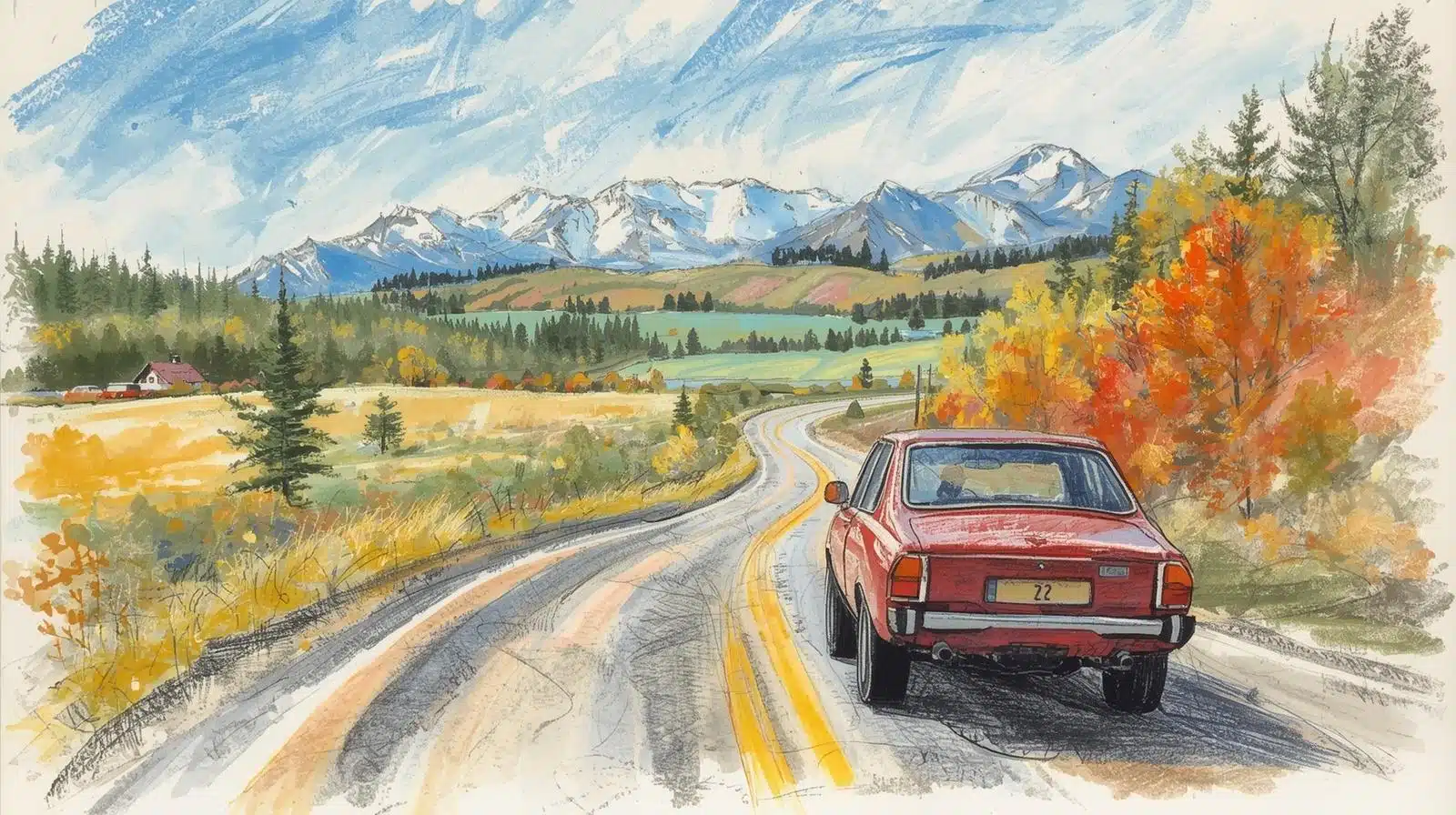
In contrast, rural roads are less crowded and often allow for smooth, uninterrupted driving. You’re more likely to have:
- Open roads with minimal traffic
- Two-lane highways
- Long stretches without signals or signs
However, less traffic doesn’t mean less risk. Fewer vehicles can lead to complacency, which brings its own dangers.
Speed and driving behaviour
Urban driving:
Urban speed limits are usually low, at 40–50 km/h in residential or business areas. Traffic enforcement is more visible, and there’s a greater need for constant braking.
In cities:
- Drivers are used to stopping frequently.
- Road rage can be more common due to stress and delays.
- Quick reflexes are essential due to unpredictable road users.
Rural driving:
Rural areas tend to have higher speed limits, often 80 km/h or more on open roads. This can be misleading – higher speeds combined with winding roads, poor lighting, or sudden animal crossings make rural roads deceptively dangerous.
- Drivers may become too relaxed.
- Accidents at high speeds are more severe.
- Seatbelt compliance is statistically lower in rural areas.
Road conditions and maintenance
Urban driving:
Cities generally have well-maintained roads, but that doesn’t mean they’re smooth. You’ll often find:
- Potholes due to heavy traffic
- Constant construction zones
- Painted lanes and clear signage
- Sidewalks, curbs, and bus stops
Urban roads are built for high capacity, but they deteriorate faster due to use and weather.
Rural driving:
In rural areas, road maintenance can vary significantly. Some roads may be:
- Unpaved or gravel
- Narrow with soft shoulders
- Poorly lit or missing streetlights
- Lacking in clear signage or lane markings
These conditions require greater attention, especially at night or in bad weather.
Hazards and obstacles
Urban driving:
Hazards in the city often include:
- Pedestrians and cyclists
- Taxis, delivery trucks, and buses are making sudden stops
- Traffic congestion
- Emergency vehicles
You’re constantly negotiating with other road users, often in tight spaces.
Rural driving:
Rural hazards are very different, including:
- Wildlife crossing the road (deer, raccoons, etc.)
- Slow-moving farm equipment
- Blind corners and hills
- Flooded or icy roads with no warning signs
Because these roads are less monitored, you need to be extra cautious and self-reliant.
Navigation and landmarks
Urban driving:
Navigating a city often means using GPS to weave through multiple turns, one-way streets, and heavy traffic. Thankfully, urban areas are rich in:
- Street signs and signals
- Landmarks and building numbers
- Cell coverage and online maps
Rural driving:
In rural settings, GPS can become unreliable due to weak signals. Many areas:
- Lack clear signage
- Have long distances between landmarks
- Use local or unofficial road names
Drivers need to plan, download maps offline, or rely on directions from locals.
Lighting and visibility
Urban driving:
Cities are well-lit with:
- Streetlights
- Traffic signals
- Illuminated signs
- Reflective road markings
This makes night driving easier – though glare from headlights, billboards, and shop signs can be distracting.
Rural driving:
Rural areas are often very dark at night, with limited or no streetlights. This means:
- Reduced visibility
- Greater reliance on high beams
- Higher risk of wildlife encounters
Rural night driving requires more focus and slower speeds.
Driver expectations and culture
Urban driving:
City drivers tend to be:
- More aggressive and impatient
- Skilled at parallel parking and tight maneuvers
- Used to constant noise and distractions
There’s also a stronger law enforcement presence, so rules are more likely to be followed – despite the hustle and bustle.
Rural driving:
In the countryside, drivers are generally:
- More relaxed, but sometimes less attentive
- More familiar with local roads than with rules
- Less likely to encounter regular traffic enforcement
You may see people skipping seat belts, coasting through stop signs, or not signaling turns – not ideal, but often common.
Emergency services and access
Urban driving:
In cities, help is usually just minutes away. If you break down or crash:
- You can easily call a tow truck
- Police, fire, and EMS response times are short
- There are hospitals and urgent care centers nearby
Rural driving:
In rural areas, emergencies can become more serious due to:
- Long response times
- Lack of nearby medical facilities
- Poor cell service
It’s smart to carry emergency supplies like water, a spare tire, a flashlight, and a first aid kit when driving in remote areas.
Conclusion
It depends on your experience and personality.
- Urban driving requires focus, patience, and the ability to react quickly to sudden changes in a dense environment.
- Rural driving demands attentiveness, good preparation, and caution with speed and visibility – especially on unfamiliar roads.
Each comes with its own learning curve. The best drivers are those who adapt their habits to fit their surroundings. If you’re used to one environment, take time to practice in the other. It will make you a more well-rounded, confident, and safe driver.
Tips for transitioning between environments
- From City to Countryside: Slow down. Watch for animals. Use high beams wisely.
- From Countryside to City: Stay alert. Expect frequent stops. Be mindful of pedestrians and cyclists.
- In both: Stay calm, stay focused, and drive defensively.
Whether you’re navigating a downtown maze or coasting through farmland, the road has one demand in common: respect. Respect the rules, respect others, and respect the risks – and you’ll always reach your destination safely.
Challenge yourself by thoroughly working through the practice driving test study questions for your province. Repeat the process until you can confidently explain the concepts in detail from memory, without the need to consult your notes.